Bone: A Modern Neutral with Enduring History
Some colors announce themselves.
Bone has never needed to.
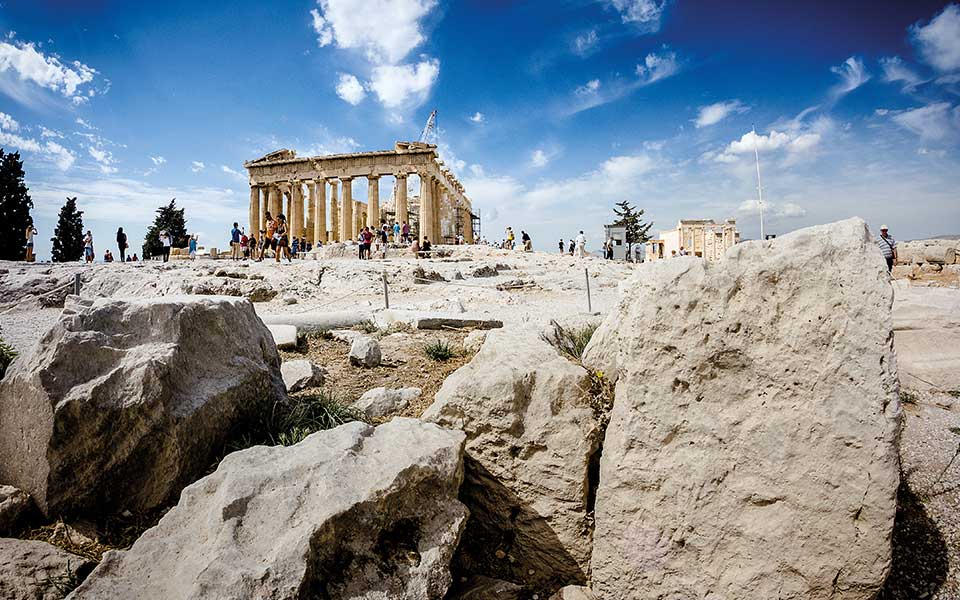
Long before color became seasonal or symbolic, bone-toned materials appeared in the earliest expressions of enduring design. In Greek and Roman architecture, pale stone, marble, and limestone were chosen not for decoration, but for permanence. These materials reflected light softly, carried warmth without excess, and allowed proportion, structure, and form to take precedence.
The Parthenon was not meant to impress through color. Roman temples and civic buildings were not designed to compete for attention. Their restrained palettes created space for meaning. Bone tones were the canvas — the quiet foundation on which ideas, systems, and culture were built.
This philosophy extended beyond architecture. Ancient thinkers understood that restraint was not absence, but intention. Plato wrote extensively about essence — the idea that beauty and truth emerge when form aligns with purpose. Ornament was secondary. What mattered was what remained when distraction was removed.
Similarly, Socrates emphasized simplicity and self-knowledge, often cautioning against excess in both thought and life. While neither spoke of color directly, their philosophies shaped a worldview in which clarity, balance, and restraint were central values — principles that continue to influence design centuries later.
At eavolu®, Bone reflects this lineage.
We name our colors after natural elements not as a branding exercise, but as a grounding practice. Bone, Slate, Fern, Desert Sand — each name connects back to something real, tactile, and enduring. These are colors that exist outside of trend cycles. They come from landscapes, materials, and forms that have lasted far longer than any season.
Bone, in particular, sits at the intersection of warmth and restraint. It is softer than white, more architectural than cream. It allows silhouette, fabric, and movement to lead. It does not compete with the wearer or the garment’s construction — it supports them.
As global culture shifts toward quieter living and more intentional choices, Bone feels less like a trend and more like a return. A return to fewer, better things. To clothing that works across moments and years. To design that does not ask to be noticed, yet is remembered.
In ancient architecture, bone-toned stone held civilizations.
In modern wardrobes, Bone holds space — for movement, longevity, and thoughtful design. Bone reflects the same philosophy that guides our broader approach to circular design and material responsibility.
Sometimes the most powerful foundation is the one that simply endures.
Available in our signature neutral palette.
For additional context on timeless architecture and material restraint, explore the history of classical design at The Met Museum and the British Museum.
-
The Met Museum → https://www.metmuseum.org/toah
-
British Museum → https://www.britishmuseum.org/collection

Written by Kirsten K. Harris